
Tariffs Hit Stocks
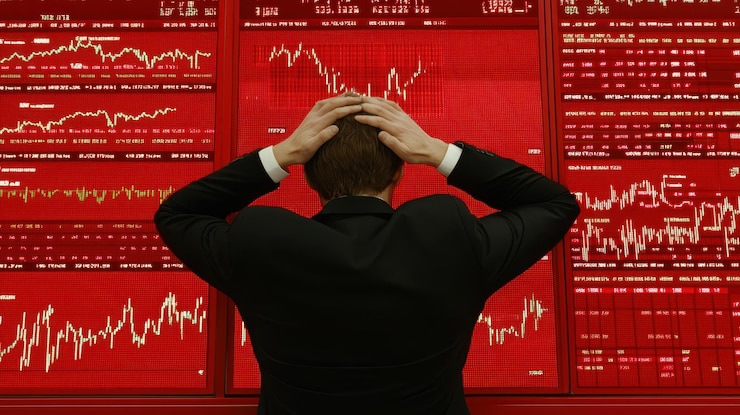
Tariffs Hit Stocks every rumble of new trade barriers sends shockwaves through global markets. When governments impose tariffs, investors pay attention. The Stock market response to tariffs can be immediate. Sometimes dramatic. In other cases, subtle but persistent. This article navigates the complex interplay between tariff announcements and stock price movements. It covers mechanisms, case studies, sector impacts, and strategies for investors.
1. Understanding Tariffs and Market Psychology
Tariffs are taxes on imports, designed to protect domestic industries or to exert diplomatic pressure. Yet they ripple far beyond trade balances. They influence corporate profits, consumer prices, and investor sentiment.
Markets react to both the factual impact of tariffs and the perceived economic signal. A surprise tariff can trigger a knee-jerk sell-off. A measured tariff might elicit a nuanced recalibration. Investors constantly parse headlines, decipher political rhetoric, and anticipate central bank reactions.
2. Mechanisms of Market Response
A. Immediate Volatility
On tariff news days, volatility indexes often spike. The VIX, the so-called “fear gauge,” climbs as traders rush to hedge, usually via options. Equity markets whipsaw: leadership rotates from rate-sensitive sectors to defensive havens like utilities and consumer staples.
B. Sector Rotation
Not all sectors respond equally. Tariffs on steel and aluminum buoy domestic metal producers, sending those stocks higher. By contrast, tariff-related cost pressures can weigh on manufacturers reliant on imported inputs, dragging their share prices down.
C. Currency Fluctuations
Tariffs also stir FX markets. A stronger dollar can depress U.S. multinational earnings when translated back home. Conversely, currency weakness can cushion exporters against tariff blows, subtly supporting their stock performance.
3. Historical Case Studies
A. U.S.-China Trade War (2018–2020)
When the U.S. imposed tariffs on $360 billion of Chinese goods, markets took notice. On July 6, 2018, the first tranche—25% on $34 billion—hit Asian and U.S. equities. Chinese indices plunged over 3% in a single session; the S&P 500 fell nearly 1.7%.
- Steel Producers: U.S. steel stocks like Nucor jumped over 10% in anticipation of higher domestic prices.
- Tech Giants: Companies like Apple experienced downward pressure due to supply chain concerns and potential price hikes on consumer electronics.
B. U.S. Section 232 Tariffs (2018)
President Trump’s tariffs on steel and aluminum—25% and 10%, respectively—triggered mixed responses:
- Domestic Metals: ArcelorMittal U.S. saw a rally, as investors priced in higher domestic margins.
- Auto Manufacturers: Ford and GM dipped as input costs rose, threatening margin compression in an already competitive market.
C. EU Tariffs on U.S. Goods (2002)
When the EU imposed aerospace tariffs in retaliation, U.S. aerospace stocks like Boeing dipped modestly but rebounded as investors anticipated quick diplomatic resolution.
4. Quantitative Analysis: Statistics and Trends
Quantitative studies reveal patterns in Stock market response to tariffs:
- Events with tariff increases correlate with a 0.8% average decline in broad equity indices on announcement day.
- Steel and aluminum producers outperform the market by an average of 3.5% in the week following tariff imposition.
- Export-reliant sectors, including autos and semiconductors, underperform by 2.1% on average.
These figures underscore the asymmetry of tariff impacts across sectors.
5. Sectoral Deep Dive
A. Industrials and Basic Materials
- Steel & Aluminum: Gains from reduced competition.
- Chemicals: Mixed effects—feedstock tariffs can squeeze margins.
B. Technology
- Semiconductors: High sensitivity to import duties on both silicon wafers and finished chips.
- Hardware: Tariffs on consumer electronics ripple into margins for companies like Dell and HP.
C. Consumer Discretionary
- Auto: Tariff shocks often result in transitory price hikes and sales slowdowns.
- Apparel & Footwear: Brands dependent on Asian manufacturing face input cost inflation.
D. Agriculture
- Commodities like soybeans and pork face both direct tariffs and retaliatory measures, leading to volatility in agribusiness stocks.
6. Investor Strategies
A. Hedging Techniques
- Options Strategies: Protective puts on vulnerable positions.
- Sector ETFs: Rotating into defensive or tariff-beneficiaries.
B. Geographic Diversification
Spreading exposure across regions less impacted by specific trade disputes can reduce tariff-driven volatility.
C. Fundamental Reassessment
Analysts must update earnings models to incorporate tariff-induced cost changes. Companies with strong pricing power often weather the storm better.
7. Political and Economic Interplay
Tariffs rarely occur in isolation. They intersect with monetary policy, fiscal stimulus, and geopolitical alliances. Central banks may adjust interest rates to counter inflationary pressures from tariffs. Governments may offer subsidies to affected industries, further complicating the market response.
8. Future Outlook
Looking ahead, tariffs remain a potent policy lever. Debates around green tariffs, digital services levies, and carbon border adjustments suggest that Stock market response to tariffs will continue to evolve. Investors should monitor legislative developments in trade policy as closely as corporate earnings.
Tariffs are not just trade policy; they are a major market mover. Understanding the interplay between policy announcements, sector sensitivities, and investor psychology is crucial. By examining historical precedents, sector-specific effects, and quantitative data, investors can better anticipate market reactions.
The Stock market response to tariffs will never be monolithic. But with careful analysis and strategic positioning, market participants can navigate these turbulent waters with greater confidence and poise.


